The shop
In 2013 and 2014 I launched and ran a t-shirt company called Fresh Earth Apparel.
Fresh Earth Apparel was a charity-focused clothing line run entirely with online channels and tools. Merchandise was made to order and distributed via drop shipping. With the exception of a locally produced run of stickers distributed to customers, no physical stock was held.
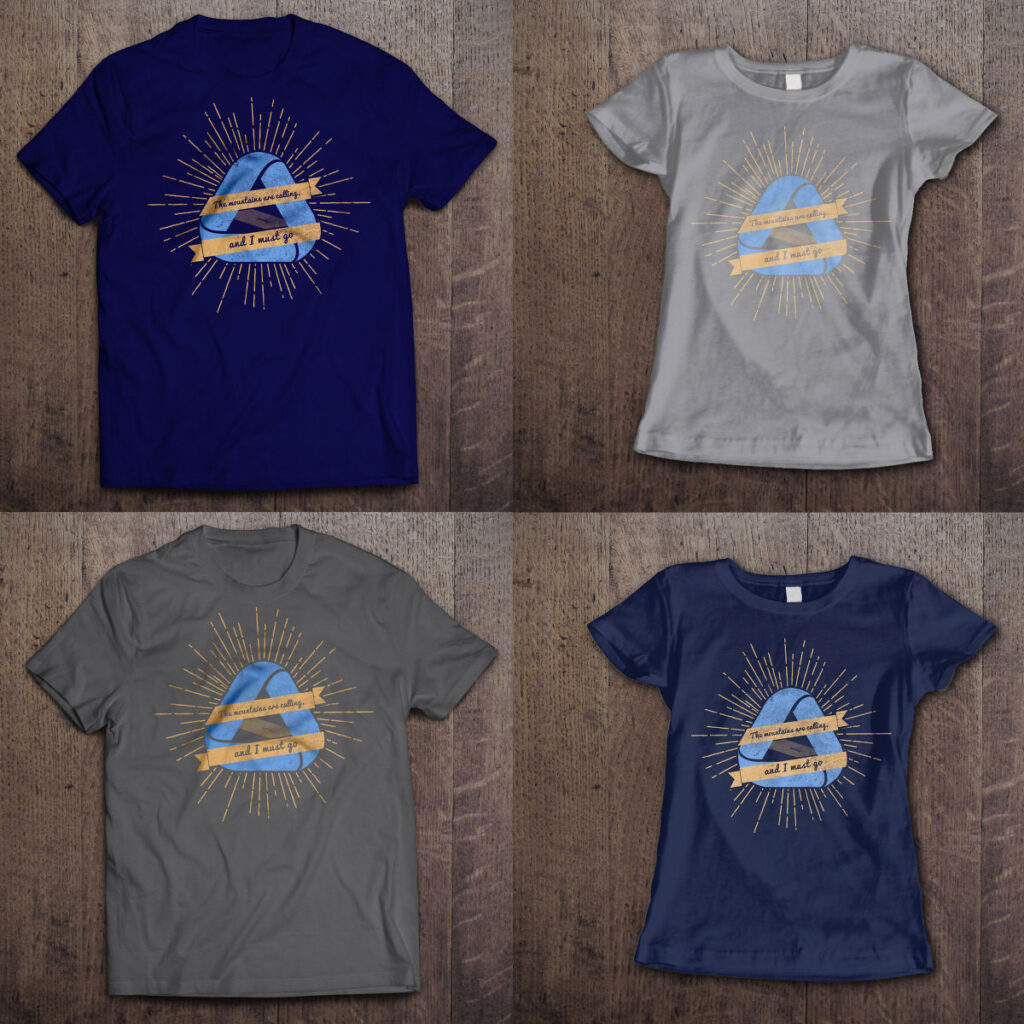
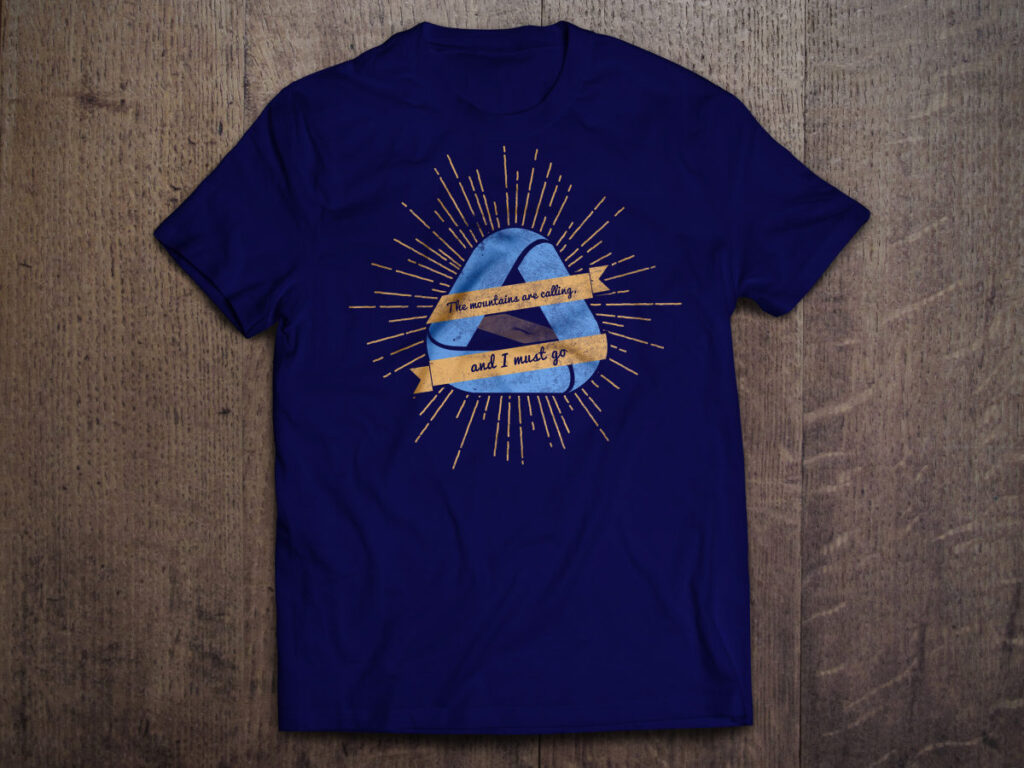
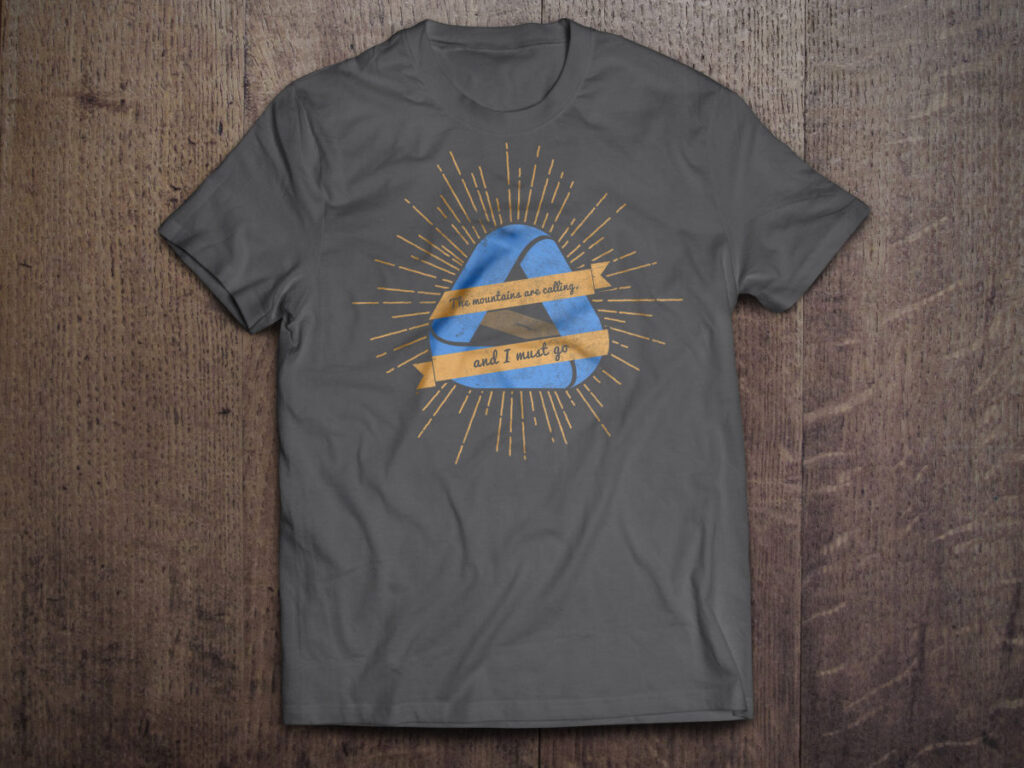
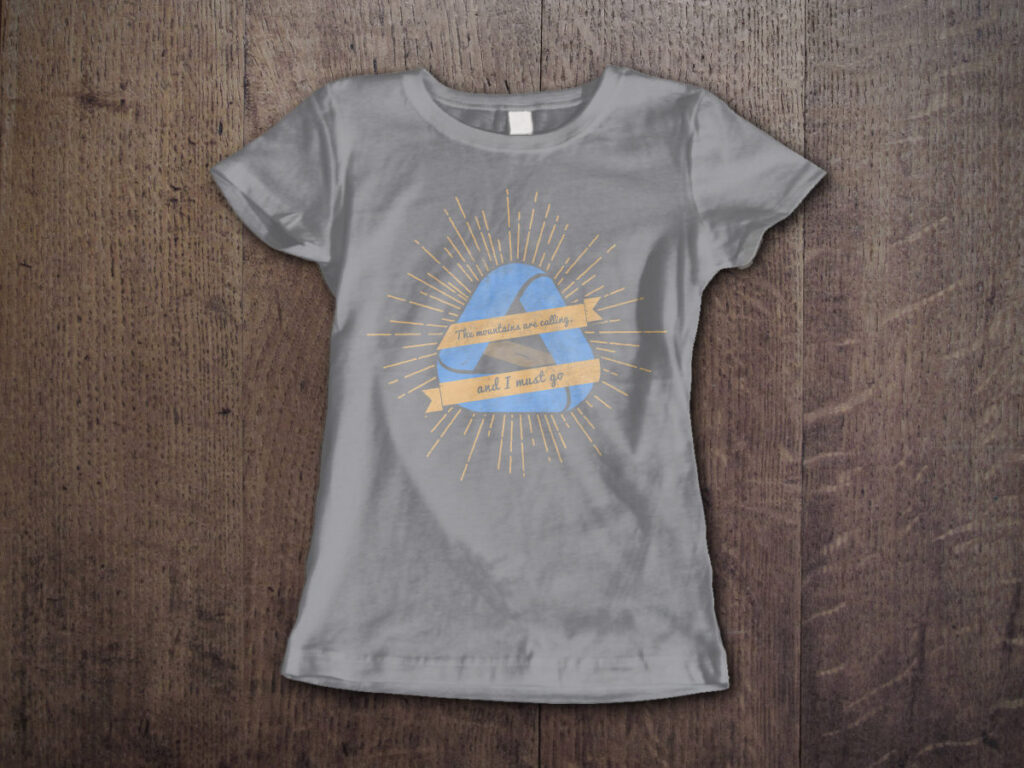
I designed one of the shirts, and a few graphic designer friends contributed designs of their own. Mine is the only one I still have the files for, so it’s the one you’ll see here.
Closing up shop
Unfortunately, as you may know, the t-shirt industry is very saturated. Low barriers to entry mean pretty much anyone with a laptop and an internet connection can jump in with a “made to order” t-shirt. I got pulled elsewhere by other opportunities in the summer of 2014 and decided to close up shop. But all the work that went into it still exists here.
The shirt is also still available on my Redbubble (opens in a new tab). If you buy one, 100% of my profit goes on top of my regular donations to environmental charities.
From the blog
Mar 22, 2014Fresh Earth’s launch post
So here we are, the day of the website launch. A lot of the people viewing this are going to be my personal friends, and I want to thank you guys for taking the time to check this out. I know I’ve got a long way to go, your support is going to keep me motivated and it’s going to be the major player in getting Fresh Earth Apparel the exposure it needs. Seriously, thanks guys.
But enough of that, let’s talk about the business I’ve been keeping under wraps for the past 6 months.
In August, I donated my birthday to Charity Water. It was an empowering experience, I was absolutely stoked to see how generous my friends were and to feel like we were making a difference somewhere in the world. I got hooked.
I wanted to find a fun way to bring money to causes, that mattered, and at the same time share my other love: travel. When I was in Europe I was inspired by some of the awesome people that I met, and the way absolute strangers could be so generous. I believe that having a positive travel experience can be eye opening and a cultural exchange that makes you into a better person.
Meet Fresh Earth Apparel: sharing our world and helping our world. It’s been a long road of tracking down clothing suppliers, designers, and general collaborators. Building the site, figuring out margins and preparing everything has been taxing, but I think we’re ready to hit the ground running. The month of March has been hectic with everything seeming to fall into place all at once.
You can expect a lot of development in the next few weeks. Our designers are wrapping up their submissions, and we’ll have them proudly on display soon. Since there is only so much I can manage to do out of pocket, we’re going to see a preorder in April, along with our official launch. We’re going to have shirts in your hands before May comes along, and there are a couple giveaways planned too! From here, we’ve got some retail locations scoped out to pitch our product too, and a second cause in our sights for a summer release.
I’m stoked to see the pace that everything is moving along at, and so proud of all of our supporters. Really, not a single share goes unnoticed, I appreciate you all. Keep on reaching out with your ideas and kind words, stay awesome folks.
With love,
Kyle
Apr 20, 2014The Beaver, Unsung Hero of the Rocky Mountains
A nations animal is the embodiment of their culture, a symbol of their people, and a representative of their land. So a lot of Canadians look at the beaver and ask themselves, what went wrong? In fact, so few Canadians know nothing about what makes the beaver such a BAMF. In 2011, Senator Nicole Eaton called for a Canadian makeover, replacing the beaver (a “dentally defective rat”) with something a little more suiting: a polar bear. It fell through (obviously) but I can’t even believe she had the nerve to propose something like that!
As much as I love bears and think making our national animal the polar bear would bring much needed attention to their plight, let me make my case in defense of that “toothy tyrant”, Senator. They are cute as heck (even with that second eyelid), and have done way more to shape this nation than your cuddly (carnivorous) polar bears.
The beaver was chosen to be Canada’s national animal because they symbolize trade and economic development. Yup, economic development and beavers have gone hand in hand for as long as we’ve been trading their pelts (which brought them to the brink of extinction). That relationship started petering off in the 1830’s when the earliest hipsters started to adopt silk hats.
So, beavers really haven’t had anything to do with economic development since constitution. However, beavers have had their noble little paws tied up in structural development for as long as there have been trees to build dams. Beaver dams often clog up rivers, and can even change the course of a whole waterway (it’s happened). Plus, while a beaver dam can be an annoyance to a lot of people, it has huge benefits to ecosystems.
Beaver dams might flood a lot of human infrastructure, but they play a key part in establishing species in the wild. They shape the way our rivers flow, our lakes form, and our marshes… marsh. A beaver dam in an ecosystem can increase the presence of open water by up to 9 times. What can this do? For migratory birds open water, like a beaver pond, is crucial. They can also be an oasis for moose, deer, bear, or any Canadian wildlife.
What really makes the beaver a CRUCIAL species is their ability to help ecosystems withstand drought. In the paragraph up there I mentioned that a beaver dam can increase the presence of open water. Ecosystems will keep 60% more open water during times of drought if a beaver is present. This is essential in maintaining habitats for wildlife.
For the sake of not boring you senseless, I’m not even going to get into talking about things like the beaver’s multi-tool of a tail, 2nd eyelids, or contractible nostrils. Let’s stick to what they can do for Canada. With climate change sending our world down the path it is, beavers are going to play an essential role in protecting our forests and our planet. I don’t think a lot of people realize it, but while the bear is cool, the beaver is the real hero of Canada’s woodlands.
May 1, 2014Wifi In National Parks? Why Not?
Outrageous right? Earlier this week when I learned that Parks Canada will soon install Wi-Fi at up to twenty remote wilderness park locations. I was miffed.
“How dare they ruin the one place we go to get away from it all?! Why can’t people go one weekend without checking e-mail?!”
Growing up near the parks, I fondly remember vacations there with my parents as retreats: no friends, no homework, and none of the distractions that came along with living in the city. Just nature walks, picnics, and campfire songs.
But I got to thinking… I also remember spending nights in the trailer striking fear into the hearts of my siblings with my insane N64 skills. When the going got tough we would spend hours parked indoors waiting for the rain to pass. It made the trips more enjoyable for us. We camped in a trailer: a trailer with electricity hookups, a shower, and a stovetop. Some days, we wouldn’t even head off into the woods, we’d spend the day in the Banff town site shopping and relaxing in the hot springs. Not really roughing it hey?
Of course, others would come to the parks in a car with a backpack full of cooking supplies, tents, and food to go spend days out in the middle of nowhere. We thought they were nutty (however, I would eventually become one of those nutjobs). I wonder how they felt about campgrounds evolving to the ones we see now with power outlets? I wonder how the generation before them felt about installing running water in the parks?
Fact is: Wi-Fi has become a commodity almost par with indoor plumbing. With the increasing occurrence of wireless connections pretty much everywhere, a hotspot in the woods only seemed like it would come in a matter of time.
Will I use the parks wireless? Probably not. If I ever have kids (heaven forbid) I’ll want to teach them the importance of unplugging, assuming nature isn’t strictly a virtual experience by then. But people like me, those who don’t see the need to connect to parks Wi-Fi, do not count for the entire population.
As much as I’d love to hog Mother Nature for myself, I’ve come to terms with the fact that it costs a boatload to run a national park. And how are parks funded? Tourism.
If Jimmy-Big-RV with the plasma screen, hot tub, and rooftop bar being towed behind his truck wants to post an Instagram selfie after hiking to a remote view- who am I to stop him? People like him are probably dumping a whole lot more cash into the park than me. If Wi-Fi is going to sustain tourism and keep Canada’s parks projects well funded, why fight it?
Bottom line: I won’t be using the Wi-Fi, and I already avoid hiking overcrowded trails (like Johnston’s Canyon). I’m sure if other trails start to get too crowded because of the Wi-Fi (doubtful) I’ll avoid those too, there are hundreds of other places to go. Sharing Canada’s parks with those who have a different outdoors experience than us is the reality of the world we live in. If you want to check-in on Facebook using Parks’ wireless, go for it bud – just make sure your litter makes it to the bin.
May 11, 2014Banff’s Beloved Bear #64
This mothers day I want to talk about a famous Rocky Mountain Mom. Bear 64 (named for her tag) is the most notorious Momma Bear in Banff National Park. She’s going on 25 years old, and has raised three litters of cubs right on the edge of the Banff town site. This is an impressive feat, as she’s had to spend the past 2.5 decades teaching her cubs to manoeuvre the threats that come from being so close to humans (a railroad, a major highway, and clueless tourists).
The lifespan for a grizzly bear in the wild is 20-25 years so as spring arrives in the park, the big question on everyone’s mind is: “where is Bear 64?”
Since the end of March several bear sightings have been reported, including another local celebrity “The Monster Bear” (Bear 122). In the fall, 122 was pretty successful in fattening up for winter, eating two elk and a black bear. On March 27 he was the first in the park spotted out of the den weighing an impressive 700 pounds, solidifying himself as the biggest and baddest in the area. There have been several other sightings this season as well, including 128 (Bear 122’s brother), and a lone cub on the edge of town.
Although Bear 64 might not be seen this year, it’s curious that her past litter of cubs hasn’t been spotted yet. The three of them are almost fully grown now and were spotted without Ma last October. This means Mom likely sent them packing, since as three year olds they’re technically teenagers now. They’ll probably stick together as a family unit until they’re old enough to breed (5 or 6), and this bothers me. Not because I want them to strike it out on their own, they aren’t big enough to be alone on 122’s territory yet, but because it should be tough to miss three young grizzly bears running around on the edge of town.
Where has Bear 64 gone then? Every day that passes without a sighting lowers the odds we’ll see her again, but if her cubs have managed to avoid the paparazzi so far I have hope for her. I’m willing to bet Mom is doing even better now without the triplets to slow her down. But there have been reports of bears coming back for another litter (and living to be 30) in the park, so that could be what she’s planning to surprise us with this year.
Mom or no mom, I’m sure the triplets will be enough to keep the parks staff busy this year. I’m still excited for the day we see Banff’s Queen make headlines this spring.
It might seem to be a no brainer, but everyone: the bears are out. If you’re doing anything in the backcountry in the next 6-7 months it should go without saying: be prepared and stay safe.
Notes from 2016: Bear 64 was last sighted in late 2013. No traces of her were discovered in the summer of 2014 and by the Autumn it was safe to assume she was gone. Of her last litter, two were collared. All three were assumed to have lasted the summer, and her daughter, bear #148 has stepped into her shoes and formed a connection with the Bow Valley residents. At 5.5 years old, she’s now breeding age and the locals are hoping to see her first litter in 2017.